Guides · 15 August 2026 · 6 min read
Fly-tipping: the fines, the law, and how not to fund it by accident
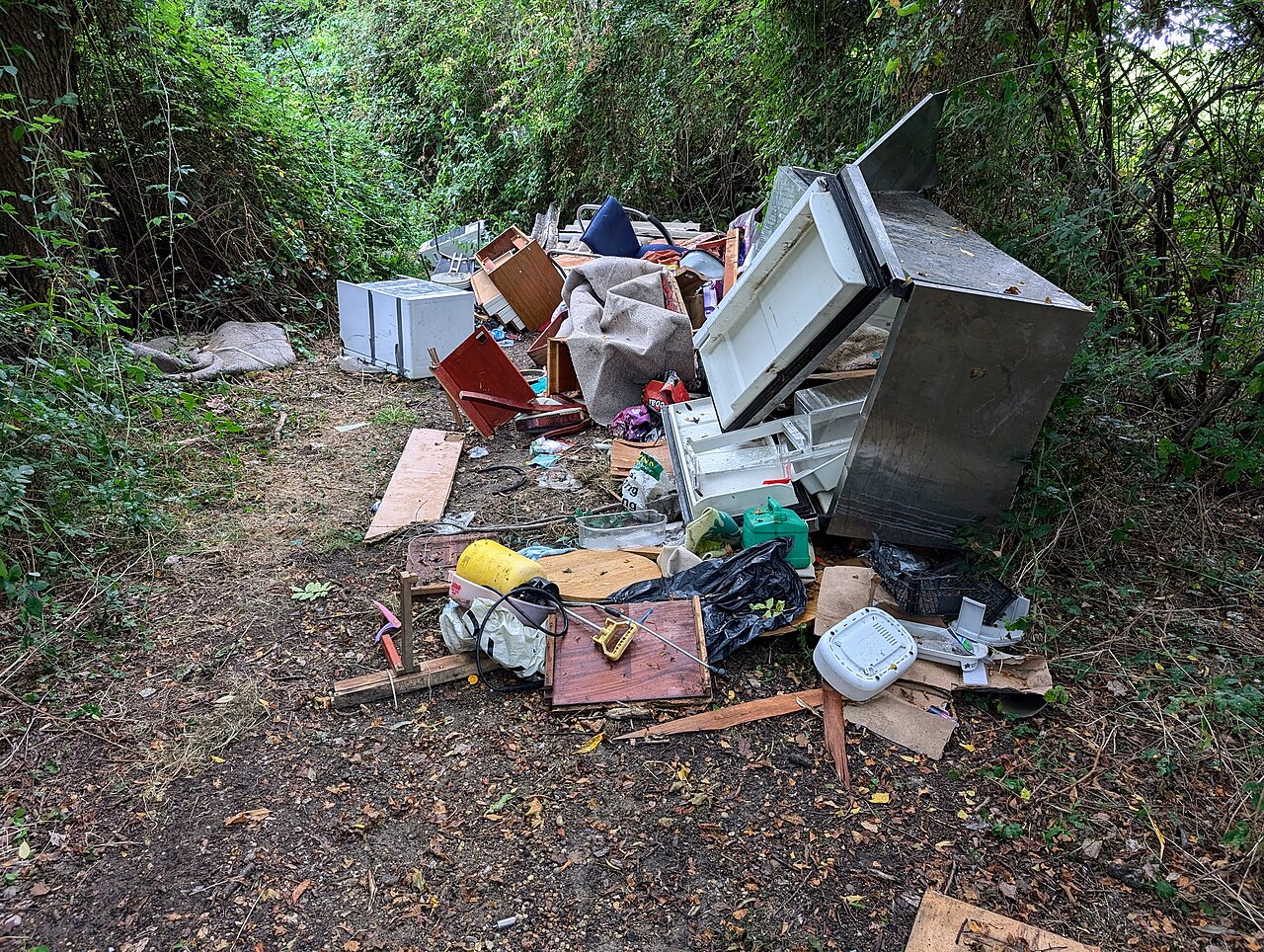
England recorded around 1.26 million fly-tipping incidents in the latest figures, up 9 percent on the year before, and the classic image, a lone mattress in a lay-by, undersells it. The photo above is the reality: fridges, furniture and building waste dumped by the vanload in a wood. It is organised, profitable, and mostly funded by ordinary people who thought they had hired a legitimate waste carrier.
The part most people do not know
If waste from your house is found dumped, you can be prosecuted or fined even though someone else dumped it. Householders have a legal duty of care to check that whoever takes their waste away is authorised. "A man with a van quoted £30 on Facebook" is not a defence, it is the standard opening line of the case against you. Fixed penalties for breaching the householder duty of care run up to £600. Fixed penalties for fly-tipping itself changed on 1 September 2026 under the Environmental Offences (Fixed Penalties) (Amendment) (England) Regulations 2026, replacing the old flat £1,000 ceiling with a tiered scale: £500 for lower-tier offences (£300 if paid within 14 days), £1,000 for higher-tier offences (£600 early payment), and up to £5,000 for the most serious, organised, large-scale dumping. Crown court convictions still carry unlimited fines and up to five years in prison.
The SCRAP checklist
Councils promote a five-letter check before you hand waste to anyone. It takes two minutes:
- Suspect everything: a price that seems too good means the disposal fees are not being paid, which means a lane somewhere is about to get your sofa.
- Check the carrier's registration on the Environment Agency public register, every legal carrier has a number and the search is free.
- Refuse unsolicited offers, the leaflet through the door and the knock after a skip appears next door are the classic pattern.
- Ask where the waste is going, a legitimate firm answers instantly because it is proud of the answer.
- Paperwork: get a receipt or waste transfer note with the carrier's details on it. Keep it. It is your defence if anything surfaces.
Why fly-tipping is priced the way it is
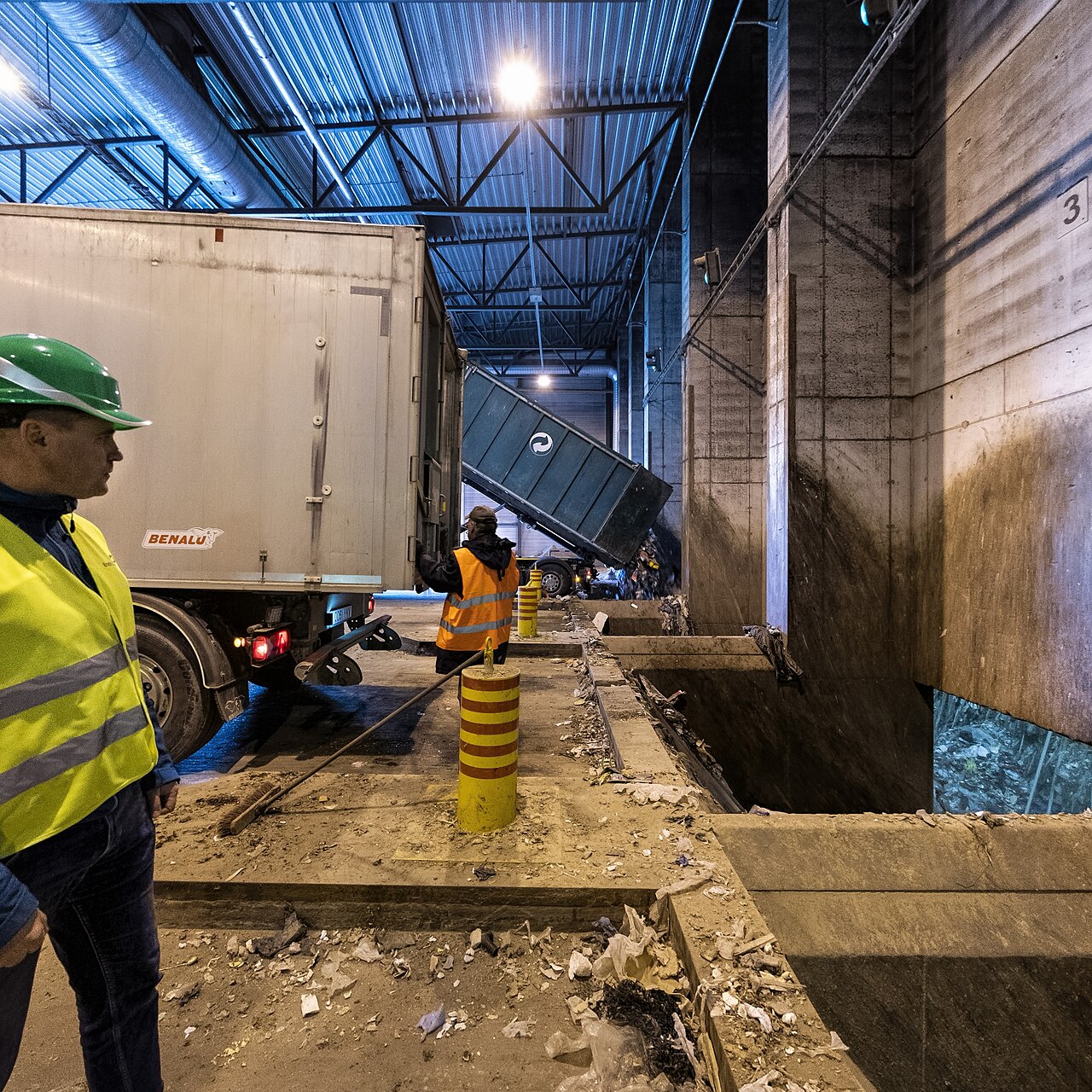
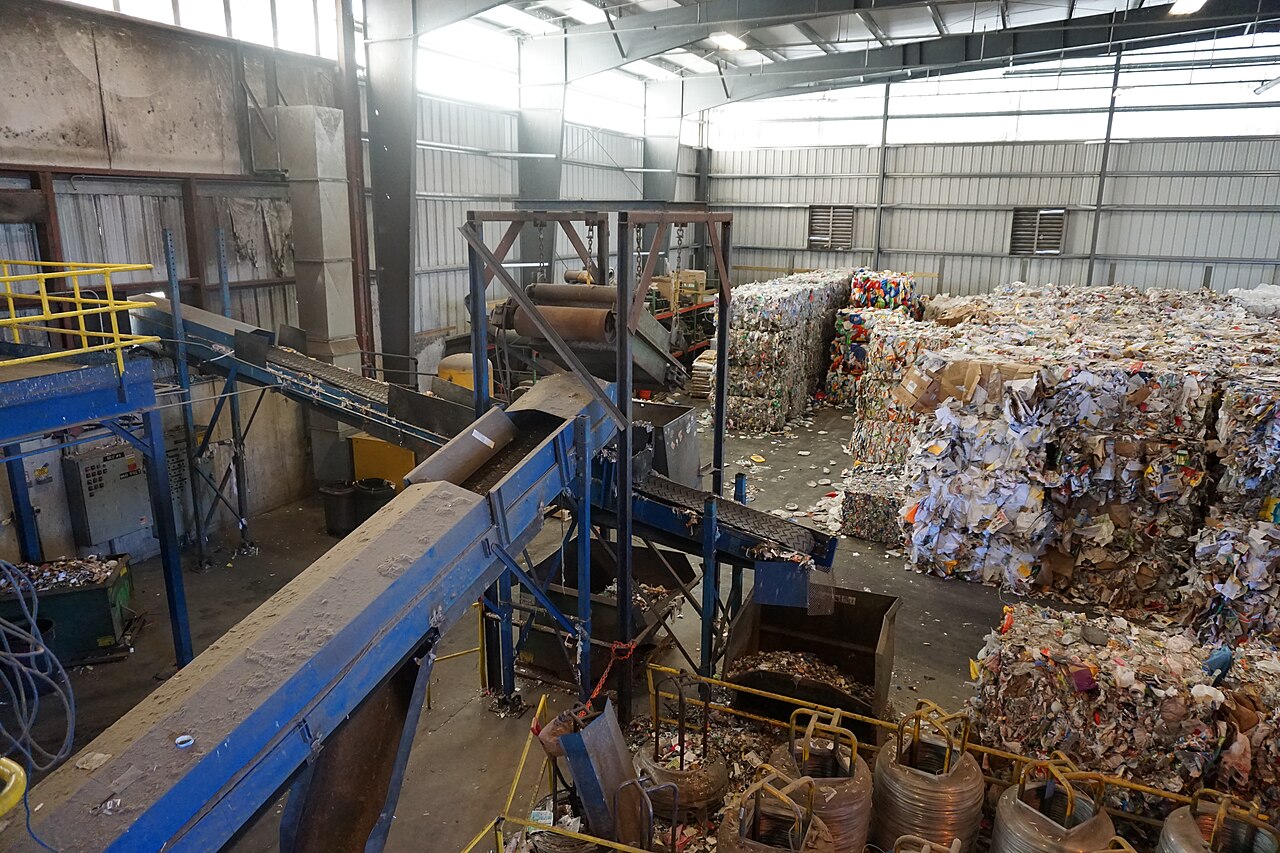
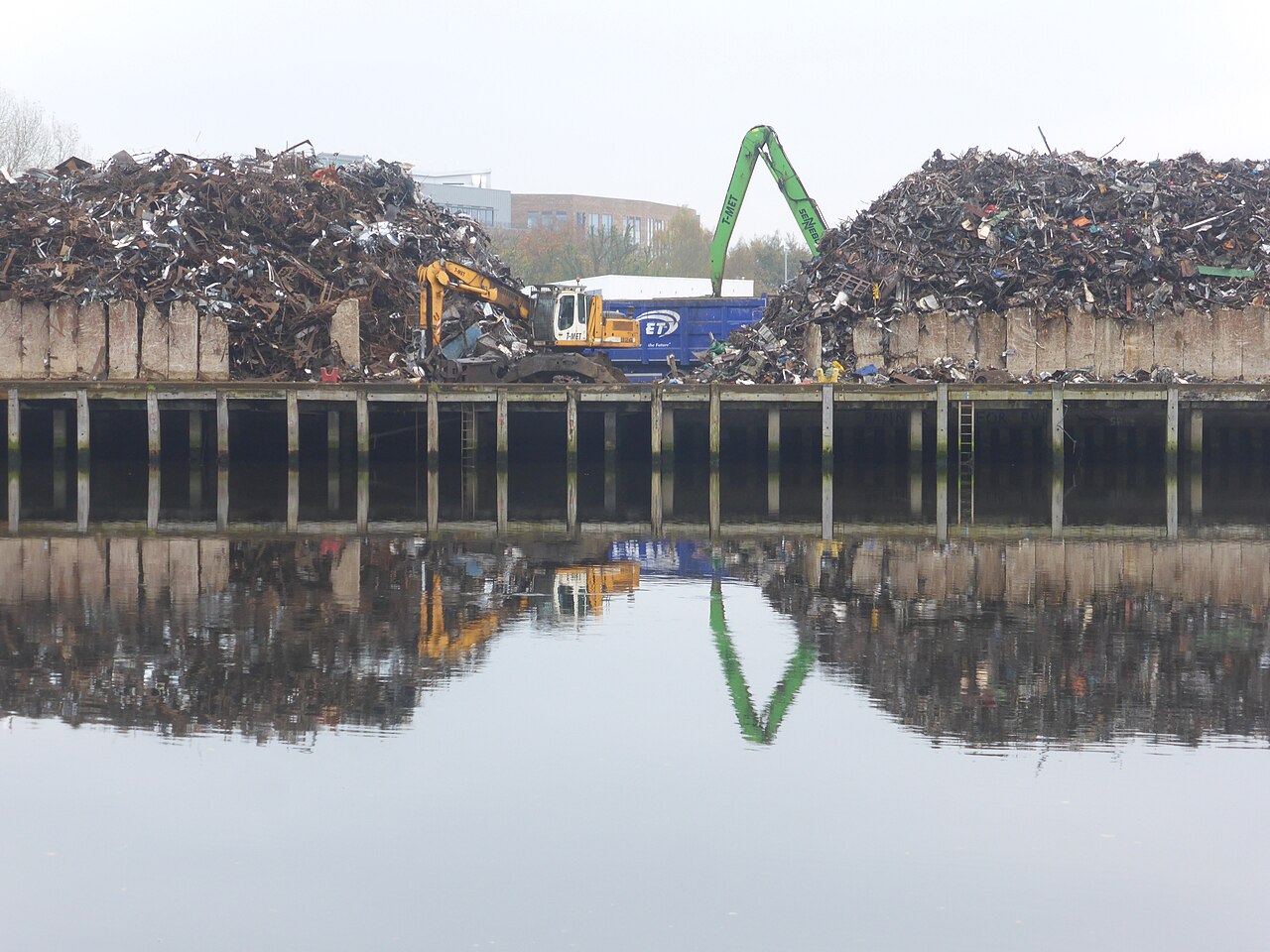
Legal disposal costs real money: landfill tax alone is over £100 a tonne, treatment fees on top. A £30 "collection" cannot pay those fees and a wage, so it does not, the load goes over a gate instead. When you pay a legitimate price you are not paying for the van, you are paying for what happens after the van. Our prices publish that honestly, every visit has a £199 minimum precisely because the disposal fees are real and get paid, and every job gets photo confirmation so you hold evidence, not just hope.
Reuse first, recycling second, energy recovery third, landfill last. That order, every load.
Ready for it to be gone?
Check your postcode, pick your route day, done in two minutes.