Guides · 17 September 2026 · 6 min read
Garden waste: what your council actually collects, and where the rest goes
Garden waste is the one household waste stream that has quietly stopped being free. A hedge trim, a season of grass cuttings or a felled shrub used to just go in with the rest of the bins. Increasingly it does not, and the reasons are worth understanding before the pile at the end of the garden becomes a problem.
The council bin is not free everywhere
Most English councils that offer a kerbside garden waste collection now charge a separate annual subscription for it, on top of council tax, typically for a wheelie bin emptied fortnightly through the growing season. Charges vary a lot by area: recent figures put most councils somewhere between £55 and £77 a year for the first bin, with some London boroughs nearer £68 to £77 and a handful of the highest charging councils well over £100. A few councils still include it free or do not offer the service at all. There is no national standard, so it is genuinely worth checking your own council's current price rather than assuming last year's figure still holds.
General waste bins are not a reliable substitute. Many councils explicitly exclude garden waste from black bin collections, both because it is heavy and because green waste rotting in general rubbish in a landfill cell produces methane, which is a large part of why landfill tax exists at all. Put simply: the bin that is "free" in the sense of already being paid for is usually not the bin garden waste is supposed to go in.
What actually happens to it once collected
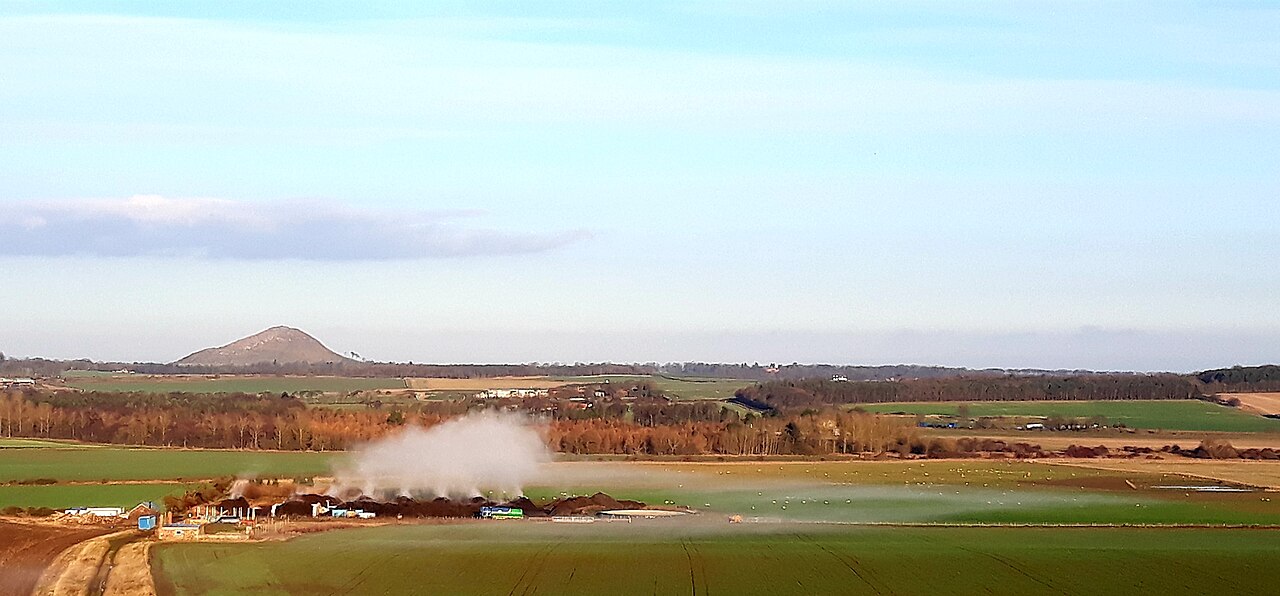
Clean green waste, grass, hedge cuttings, leaves, small branches, goes to a composting site, most commonly an open-air windrow operation where it is shredded, formed into long rows and turned regularly over several weeks while naturally occurring heat and bacteria break it down. Woodier material is often chipped separately for biomass fuel rather than composted, since bulky chip does not break down at the same rate as soft green matter.
The end product, if the site is accredited, is certified against BSI PAS 100, the UK compost quality standard developed by WRAP and the composting industry. Compost that passes PAS 100 testing for contaminants, stability and consistency gets "end of waste" status, meaning it legally stops being waste and can be sold as a soil improver rather than handled under waste regulations. A fair amount of the bagged soil conditioner sold at garden centres started life as somebody's hedge trimmings a few months earlier.
The two legal snags people do not expect
Nesting birds. The Wildlife and Countryside Act 1981 makes it an offence to damage or destroy the active nest of any wild bird, and while the protection applies whenever a nest is actually in use rather than to a fixed calendar, 1 March to 31 August is the practical window most councils, the RSPB and tree surgeons treat as the core UK nesting season and advise against hedge or tree work in. It catches people out because the rule is about the nest, not the date, a late-nesting blackbird can still be sitting in a hedge in September. If a hedge is dense or overgrown, it is worth a quick look before anything gets cut back hard, whatever the month.
Japanese knotweed and other invasive species. Knotweed itself is not illegal to have in a garden, but Schedule 9 of the Wildlife and Countryside Act 1981 makes it an offence to cause it to spread in the wild, and strimming, flailing or simply binning contaminated material in with ordinary green waste can count as causing it to spread. It needs a licensed specialist and its own disposal route, not a garden waste bin or a mixed collection, which is why we will not take it on a normal booking and say so upfront rather than quietly bagging it with everything else.
Why "just burn it" is not the free option it looks like
A domestic bonfire is not banned outright in most of the UK, but it is not the cost-free fallback people assume either. Under the Environmental Protection Act 1990 a bonfire that regularly upsets neighbours can be treated as a statutory nuisance, and under the Clean Air Act 1993 dark or black smoke from burning garden waste can bring a fine of up to £20,000, with persistent nuisance offences carrying up to £5,000 on top. Green material is also the worst thing to burn: damp grass and fresh cuttings smoke heavily rather than burn cleanly, which is exactly the kind of complaint that gets a council abatement notice issued.
The practical bit
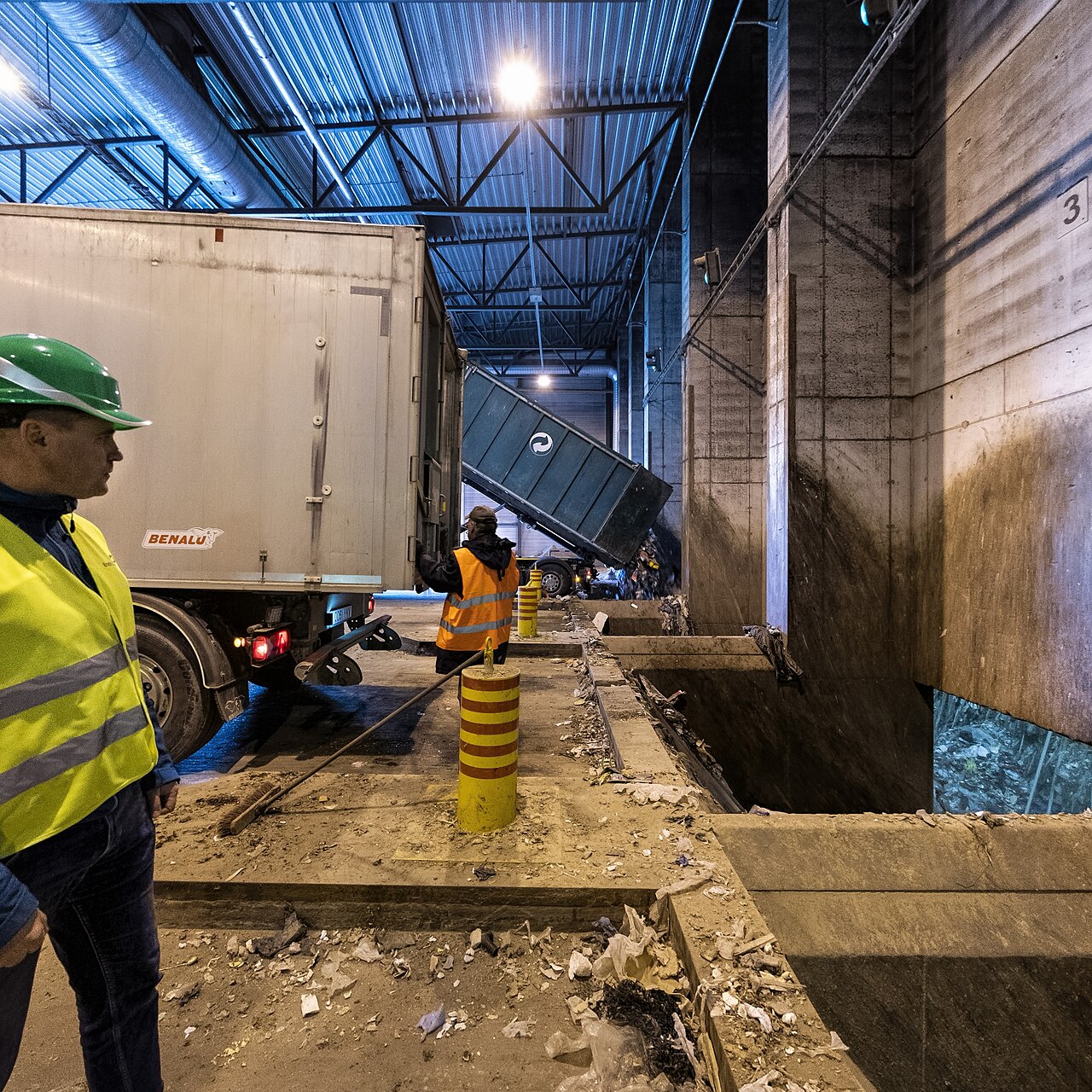
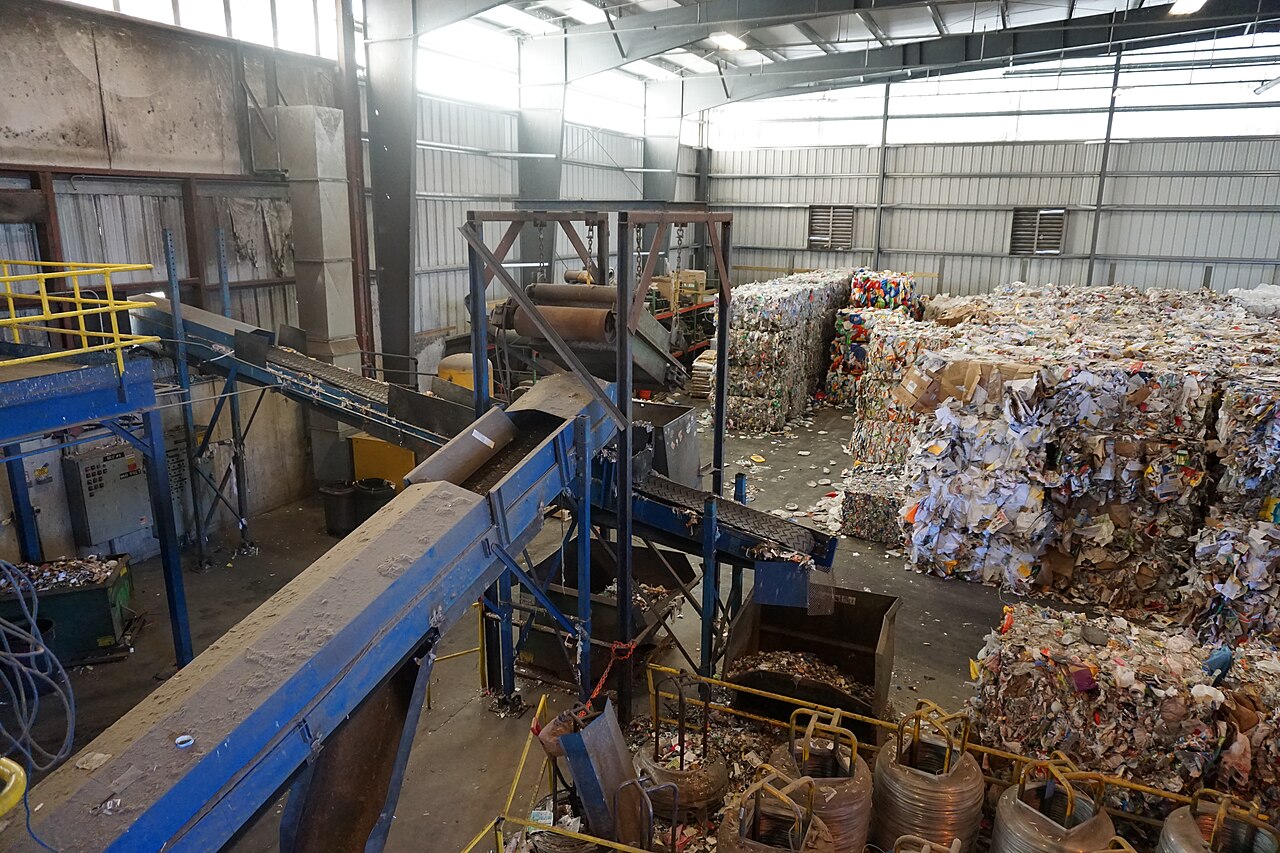
We collect garden waste by the van load rather than by subscription: £229 for a quarter load, about an estate car's worth and enough for most hedge trims, up to £389 for a full Luton van, which usually covers a felled tree or a proper autumn clear-out. Hedge and tree cuttings, logs, brash, turf, soil and old planters are all fine, and mixed loads with fence panels or a broken shed are no problem, that is what the depot sorting line is for. Clean green waste goes to composting or biomass, never straight to landfill, and soil or rubble in the mix goes to inert recycling instead. The only things we turn away are invasive species like knotweed, which need the licensed route above, and full scale landscaping spoil, which is better as a quoted job once we have seen photos.
Reuse first, recycling second, energy recovery third, landfill last. That order, every load.
Ready for it to be gone?
Check your postcode, pick your route day, done in two minutes.