Guides · 27 August 2026 · 7 min read
Landfill tax explained: why legitimate disposal never comes cheap
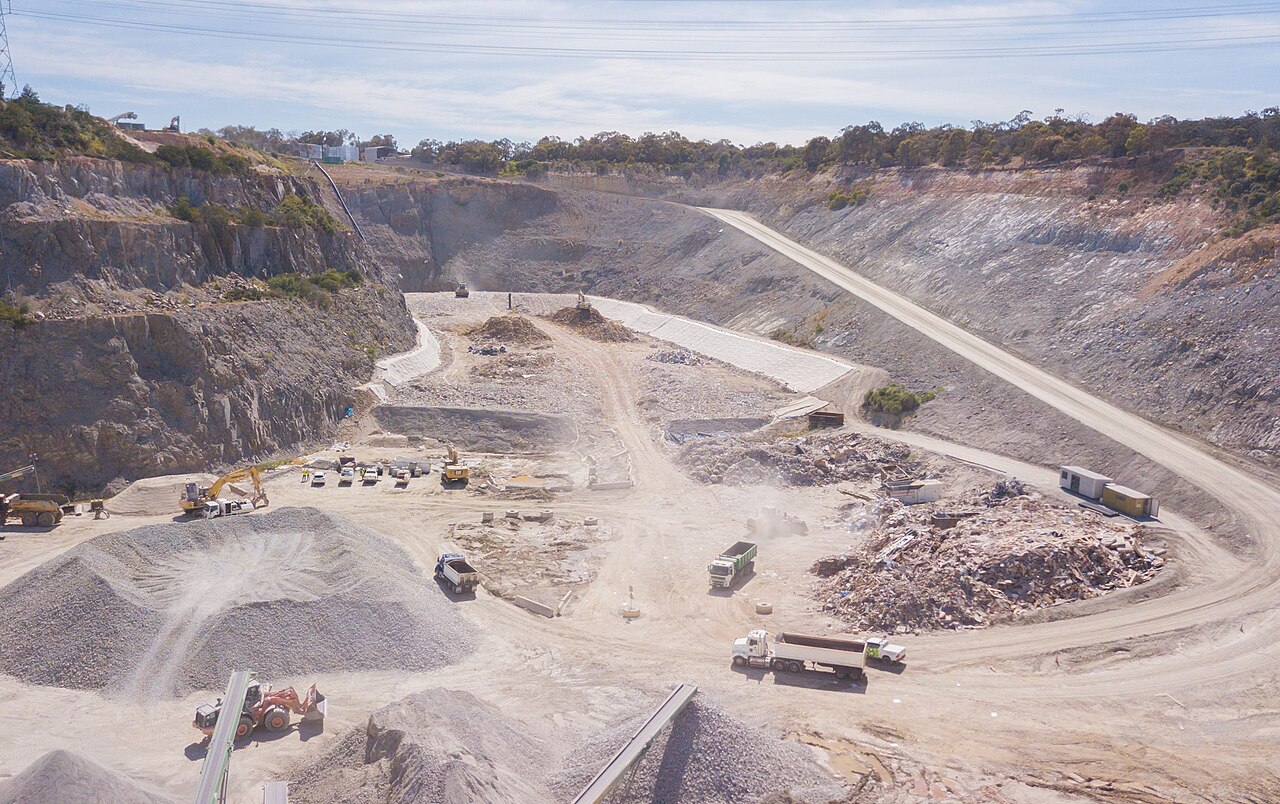
Almost every guide on this site mentions landfill tax in passing, as the reason a legitimate price cannot go below a certain floor. This one explains what it actually is, because "the tax" is doing a lot of quiet work in the waste industry and most customers have never seen the number.
Landfill tax is a charge, in pounds per tonne, on waste sent to a permitted landfill site. It is not VAT, and it is not a council fee. It is levied by HM Revenue and Customs on the site operator, not on you directly, but every operator prices it straight through into the gate fee, so it reaches every skip, every collection and every council tip run as a cost baked into what disposal is allowed to charge.
Where it came from
Landfill tax started in 1996 as the UK's first tax with an explicit environmental purpose: make burying waste cost more than diverting it, and let the market do the rest. It worked. Landfilling in the UK has fallen for three decades as the tax rose, because every tonne diverted to reuse, recycling or energy recovery is a tonne that dodges the charge entirely. It is one of the few taxes that was designed to shrink its own tax base, and broadly, it has.
The number itself has moved a long way since 1996, when the standard rate started at £7 a tonne. Every Budget since has nudged it up, sometimes sharply, and each rise has done the same job: making the gap between "pay for proper disposal" and "find somewhere quiet to dump it" wider, which is precisely why fly-tipping and the tax are two sides of the same story.
The two rates, and why there are two
From 1 April 2026 the standard rate is £130.75 a tonne, up from £126.15 the year before, a 3.6 percent rise. That is the rate for active, biodegradable waste, the mixed household and commercial loads that rot, leach and generate methane in the ground: general rubbish, upholstered furniture, food waste, most of what a clearance actually produces.
A second, much lower rate exists for genuinely inert material, clean soil, rubble, brick, concrete, rock, that will not decompose or pollute regardless of where it sits. From 1 April 2026 that lower rate is £8.65 a tonne. The logic is straightforward: a tonne of broken paving slabs does no environmental harm sitting in the ground, so taxing it at the same rate as rotting waste would just make legitimate groundworks and demolition needlessly expensive without protecting anything.
Why the lower rate just doubled
The lower rate rose from £4.05 to £8.65 a tonne this year, a rise of over 100 percent and the largest single uplift to that rate in a decade, while the standard rate crept up by less than 4 percent. That gap is deliberate. A persistent problem in the sector is waste being misdescribed as inert to dodge the standard rate, active waste hidden under a skip-load of rubble, or genuinely mixed loads waved through on the lower rate because nobody checked. Closing that gap makes the fraud less worth attempting. The government has also confirmed it will not merge the two rates into one, so the split stays, just narrower than it was.
Wales and Scotland do their own version
England and Northern Ireland use UK landfill tax directly. Wales and Scotland both took over the tax when environmental levies were devolved, as Landfill Disposals Tax and Scottish Landfill Tax respectively, each set by its own tax authority rather than HMRC. In practice both have tracked the UK rate closely since devolution, but they are legally separate charges, which is why a Welsh or Scottish site's exact rate is worth checking independently rather than assumed identical to England's figure in any given year.
What this means for a real quote
Take a full Luton van load at roughly 1 to 1.5 tonnes of mixed household waste. At £130.75 a tonne, the landfill tax alone on that load is £130 to £200, before the tipping gate fee itself, before fuel, before a crew's wages, before the vehicle. That is why a "£30, cash, today" quote for a van load is not a bargain, it is a promise that the fee never gets paid, which in practice means the load goes over a gate somewhere instead of through a weighbridge. Our fly-tipping guide covers what happens next to whoever's name was on that waste.
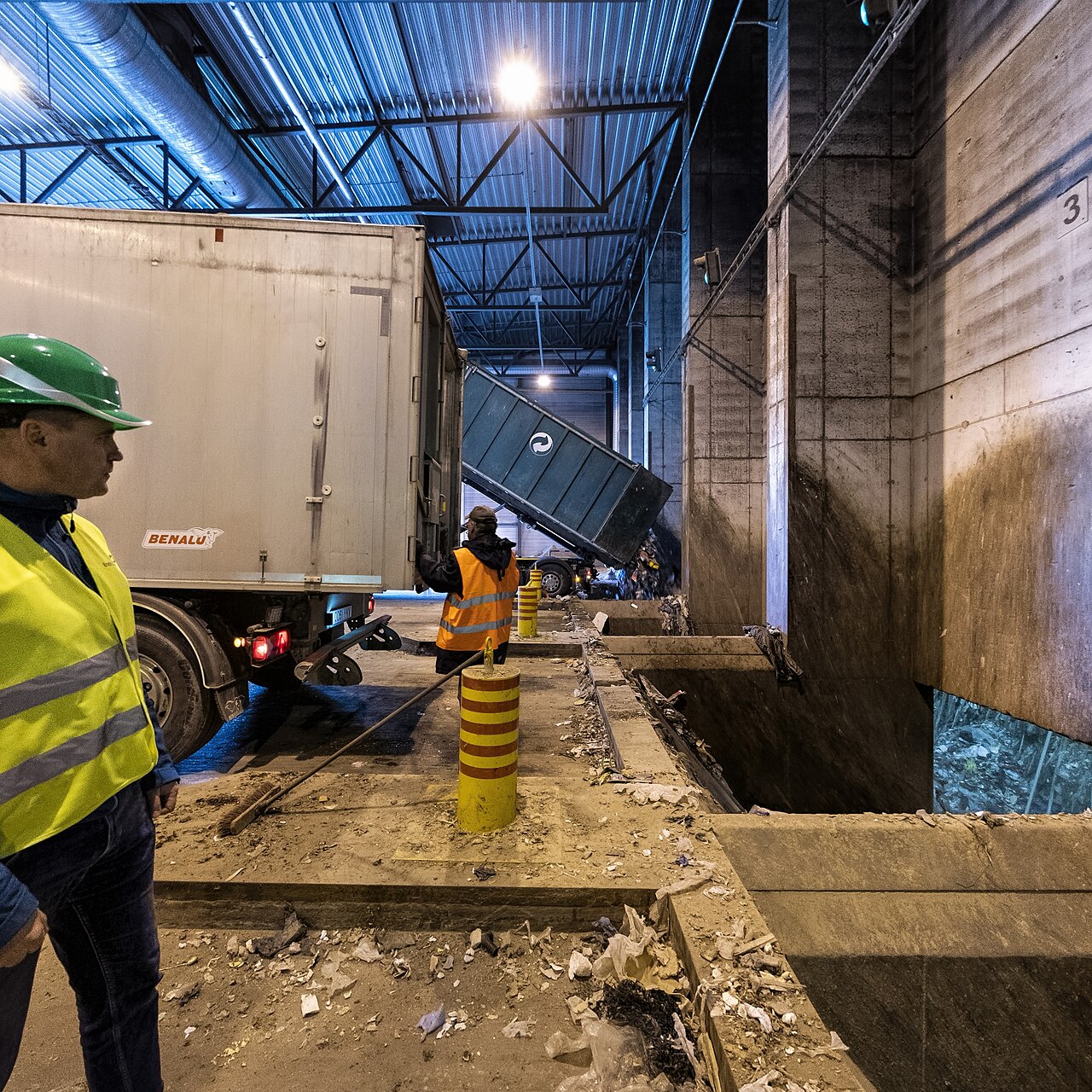
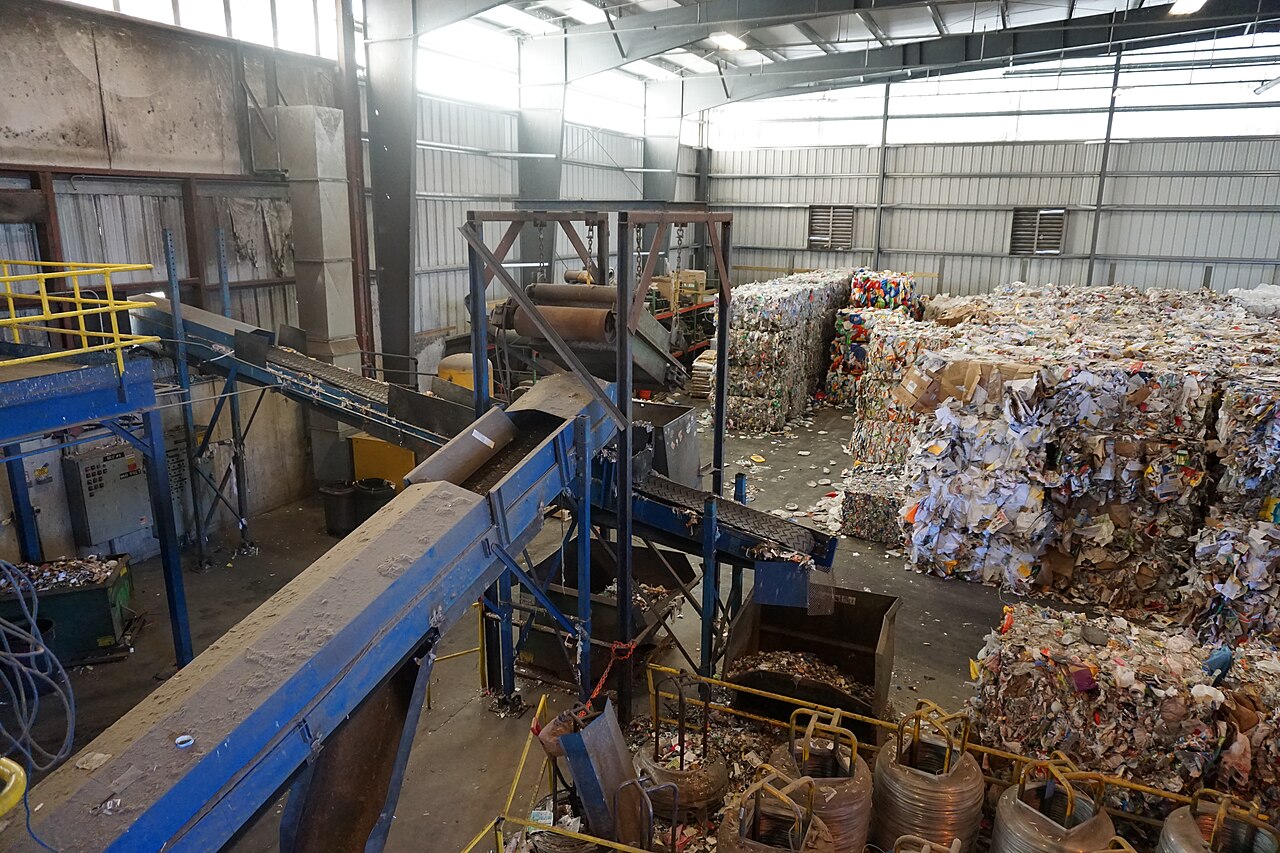
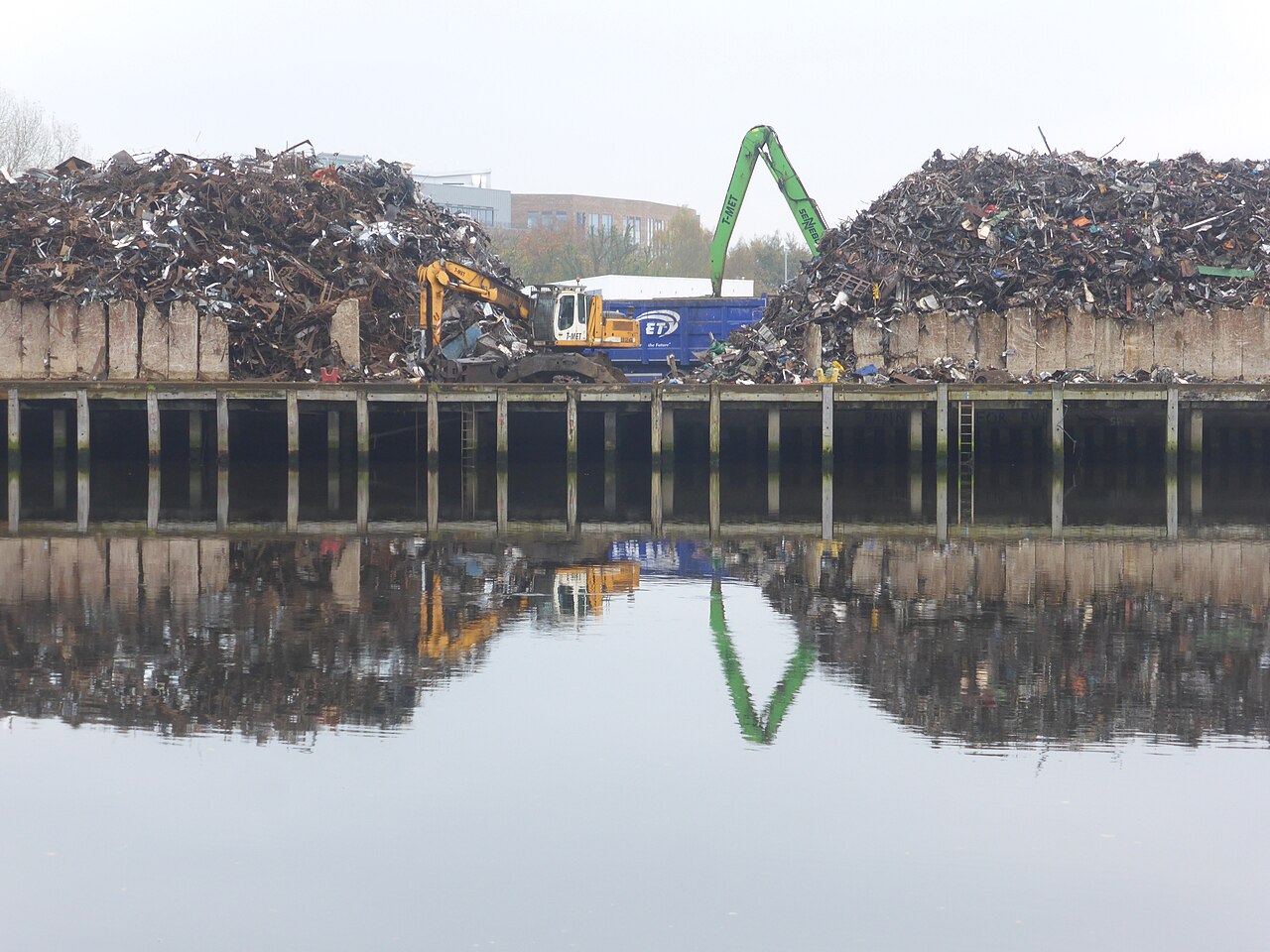
It is also why sorting a load properly, rather than sending it all to one hole, is the only honest way to keep prices down. Reuse, metals and clean timber pay no landfill tax at all because they never reach a landfill site. Every stream we pull out at the depot, before the sofa, the fridge and the rubble even reach a gate, is weight that stops being taxed and starts being worth something instead. That is the arithmetic behind every price on this site, including the £199 floor: it is set by what legitimate disposal actually costs, tax included, not by what sounds competitive on a leaflet.
Reuse first, recycling second, energy recovery third, landfill last. That order, every load.
Ready for it to be gone?
Check your postcode, pick your route day, done in two minutes.