Guides · 15 August 2026 · 6 min read
How to get rid of a mattress properly in the UK
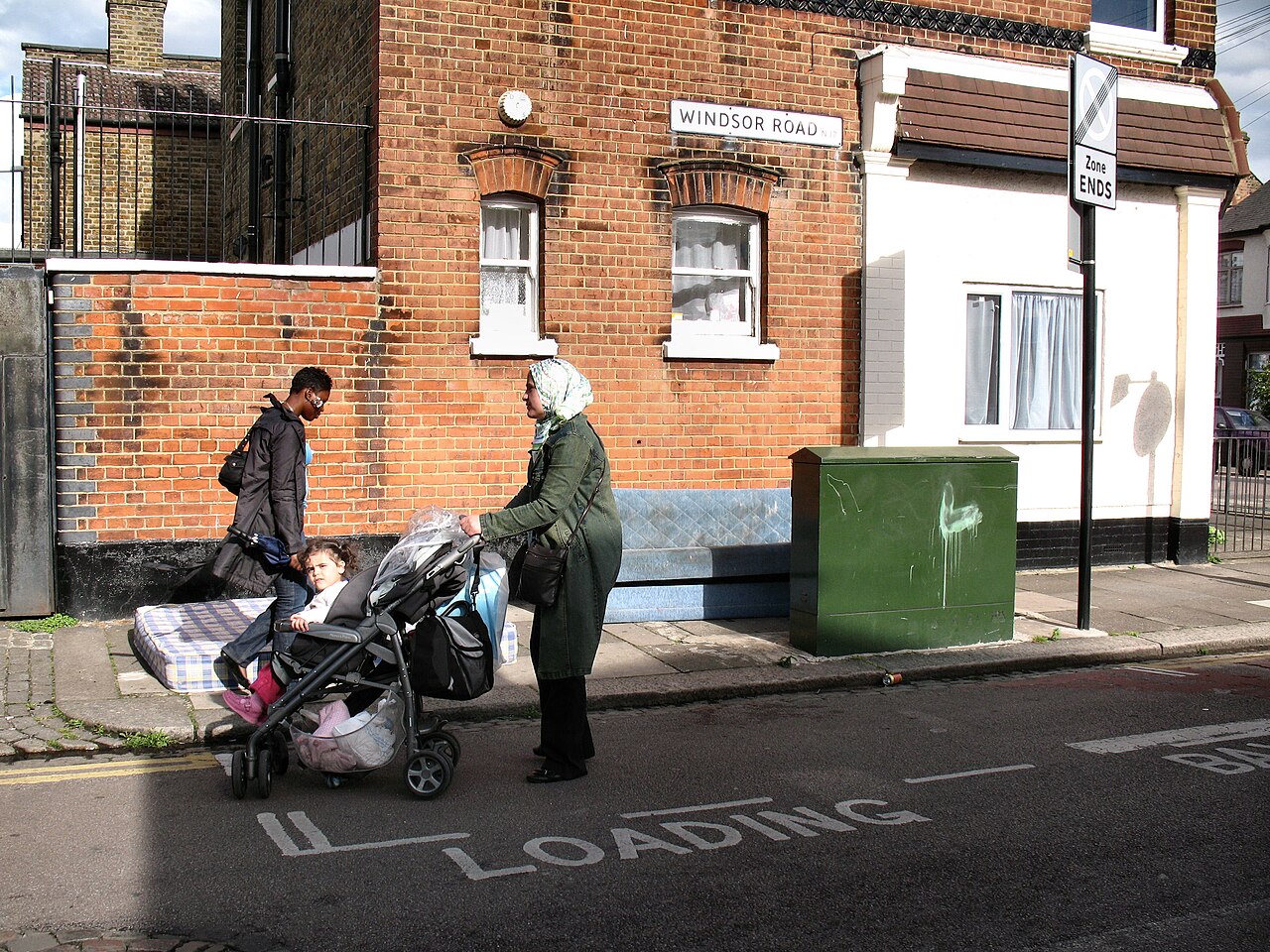
The UK gets through roughly seven million mattresses a year, and by most industry estimates the majority still end up in landfill, where they are a genuine engineering nuisance: the springs resist compaction, trap air pockets and destabilise the layers above. Meanwhile nearly everything inside a mattress, steel, foam, fibre, is recoverable. Few household items have a bigger gap between how badly they are usually handled and how well they could be.
Your four real options
One: retailer take-back when a new mattress is delivered, usually £30 to £60 as an add-on. Convenient, but only works on delivery day and the old mattress must be ready at the door.
Two: council bulky waste collection, typically £20 to £60 depending on the council, with waits of two to four weeks in many areas, and most councils collect from the kerb only, you do the carrying, and many landfill or incinerate what they take.
Three: the tip, free if you have a car big enough, which for a king-size you probably do not, and some sites now require booking slots and proof of address.
Four: a collection service like ours, a £199 visit with the mattress carried down from the bedroom, on your postcode's fixed route day, and the mattress going to a specialist recycler rather than a hole. Add the divan base for £20 as an extra item. Dearer than the council for a lone mattress, honestly said, but the visit price covers a two person crew, the carrying, proper recycling and a fixed day, and extra items on the same visit cost very little.
What a mattress recycler actually does
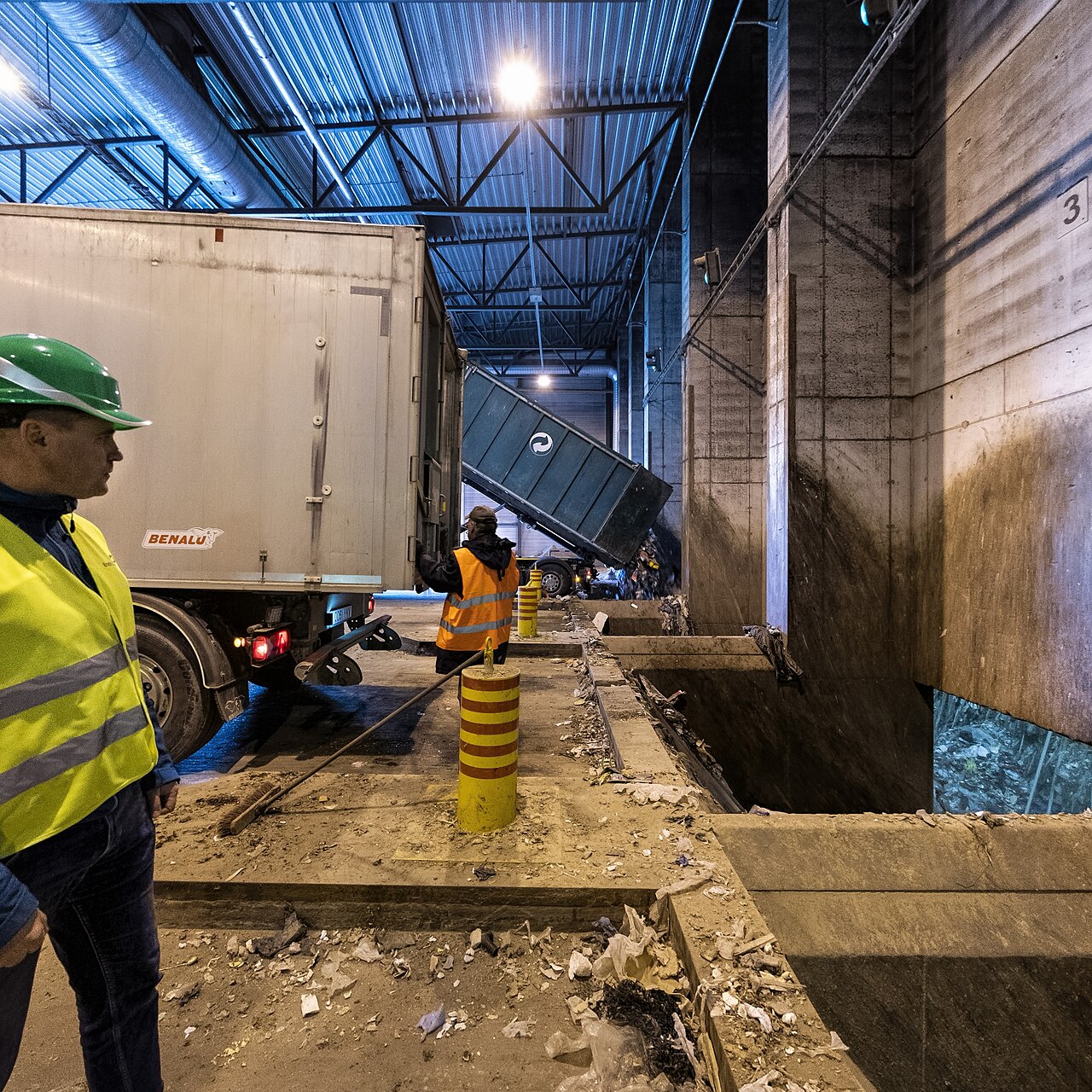
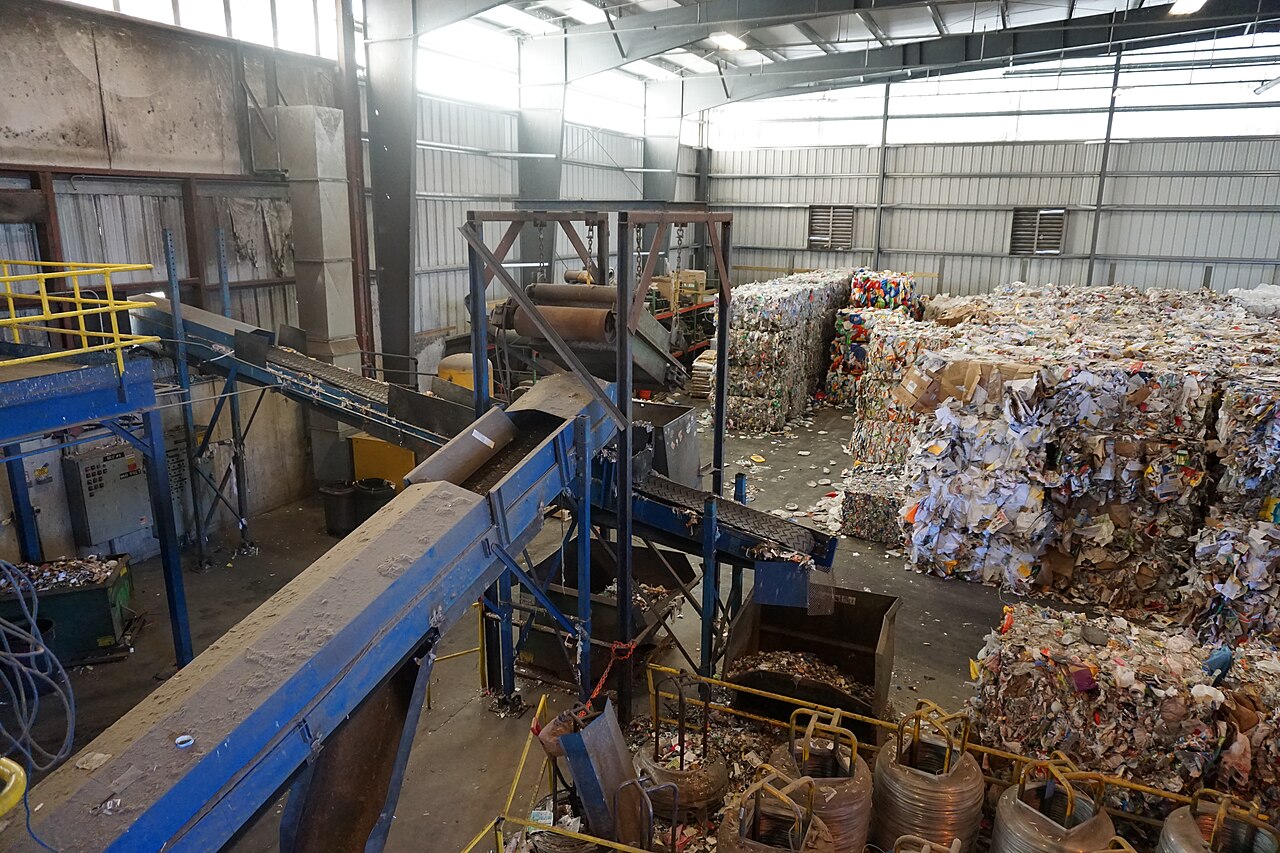
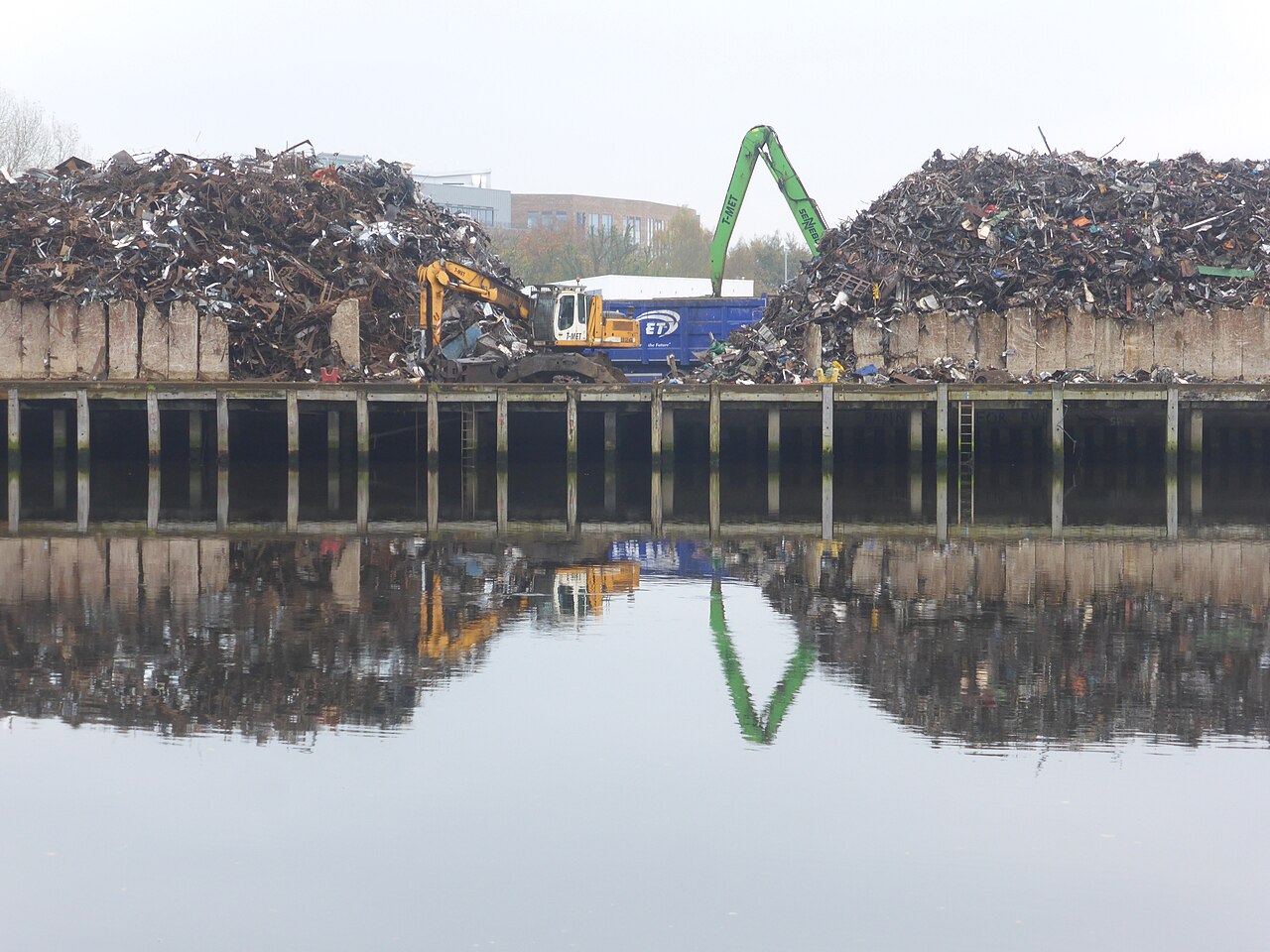
Specialist plants strip mattresses like shearing sheep. The cover is cut off and the layers separated: spring steel to the scrap merchants, about 12.5kg from a typical double, polyurethane foam to carpet underlay manufacture, cotton and polyester fibres to industrial felt and insulation. Recovery rates above 80 percent by weight are routine at a proper facility. The process exists at scale, the only hard part is getting mattresses to it instead of into the ground, which is exactly the leg we handle.
The hygiene question, answered honestly
Recyclers will reject mattresses that are soaked or heavily soiled, and so will charities. If yours had a flood, a leak or a long story, tell us when you book. We still collect it, there is sometimes a small agreed surcharge, and it will go to energy recovery rather than the stripping line. What it will not do is spend thirty years as a spring-loaded air pocket under a landfill cap.
Reuse first, recycling second, energy recovery third, landfill last. That order, every load.
Ready for it to be gone?
Check your postcode, pick your route day, done in two minutes.