Guides · 22 October 2026 · 8 min read
Clearing a house during probate: the order that keeps you safe

A probate clearance looks, from the outside, like any other house clearance: a property full of someone's whole life, and a van that needs to come and take most of it away. The difference is who is legally allowed to decide what happens to it, and when. Get the order wrong and an executor can end up personally on the hook for things that were never theirs to give away. This is the sequence that keeps that from happening, in the order it actually needs to happen.
What probate actually gives you permission to do
An executor's authority technically comes from the will itself, not from the grant of probate. But the grant is the document everyone else, the Land Registry, the bank, an estate agent, actually wants to see before they will deal with the executor at all. In practice that means an executor can start the groundwork straightaway, but the moves that cannot be undone, selling anything of real value, giving items away, emptying the property for good, are safest left until the grant is through, or until every beneficiary has agreed in writing. Taking something for yourself before the estate is formally sorted, even as a beneficiary, even with good intentions, is the single most common way a straightforward probate turns into a family argument.
Before anything leaves the house, take an inventory. Walk every room, note anything that might have real value, jewellery, watches, cameras, tools, collections, and anything that might affect the estate's valuation for tax purposes. Photograph it. This single afternoon is what protects an executor if a beneficiary later asks what happened to a particular item.
The timeline, honestly
Applying for the grant itself now costs £526 for an estate worth more than £5,000, with no fee at all below that threshold, a fee that rose sharply in July 2026. How long the grant takes to come through varies a lot more than most guides admit. The government's own quarterly figures for early 2026 put the average at around five weeks from a straightforward online application to the grant being issued, and some digital applications that are not flagged for extra checks come through faster than that. That average does not cover every case: a paper application, or one still waiting on HM Revenue and Customs to process an inheritance tax return, routinely takes a great deal longer, and an application HMCTS "stops" for a missing detail can lose several more weeks while it sits in a queue to be looked at again.
If the estate owes inheritance tax, it is due by the end of the sixth month after the month of death, not the date, and interest starts building if it is paid later than that. That creates a real squeeze: an executor usually cannot touch the deceased's bank accounts properly until the grant is through, but HM Revenue and Customs generally wants the tax settled before the grant is issued. The main way round it is HMRC's Direct Payment Scheme, which lets inheritance tax be paid straight out of the deceased's own bank or building society account before probate is granted, worth asking a solicitor or the bank about early rather than discovering the gap exists halfway through.
The insurance trap almost nobody checks
An empty house is an insurance problem in a way most people do not expect. Standard home insurance policies commonly stop covering a property once it has stood empty for around 30 days, and probate very often takes longer than that even on a good run. The existing policy usually does not cancel itself automatically when someone dies, but it should be reported to the insurer promptly, because cover can come with new conditions once the house is unoccupied. Most insurers then expect the executor to move to an unoccupied property or probate specific policy instead, typically with conditions attached: a regular check of the property, every two to four weeks depending on the insurer, with the inspection dated and recorded, and the heating kept running through winter to stop pipes freezing and bursting, which is the single most common claim on an empty home. Skipping this step is how a family ends up with a burst pipe and a flooded house with no cover to fall back on, on top of everything else.
Clearing it, once it is safe to
The order is the same logic as any clearance, just with one extra step at the front. Value first: anything that might be worth a genuine sum, furniture, jewellery, tools, instruments, should be looked at by someone who knows what it is worth before it leaves the house, partly so nothing valuable is thrown away by mistake and partly because the estate's declared value to HMRC should reflect what is actually in it. Then rehome, family and friends first. Then sell the sellable minority, an auction house or a specialist dealer will say honestly what is worth their time. Then charity, remembering that upholstered furniture needs its fire label intact before most charities can take it. What is left, usually most of the volume and very little of the value, is the clearance load.
Our pricing is the same as any other visit: £229 for a quarter load, £289 for a half, £389 for a full Luton, with a typical three bed house running two to three full loads. A fridge or freezer is £49 on top for the licensed degassing, stairs are £20 a flight where there is no lift, and a full house clearance is quoted individually once we have seen photos, since no two houses empty out the same.
For executors who are not local
Most probate clearances we do are booked by someone who does not live near the property, an executor two counties away, a solicitor instructing on a family's behalf, siblings splitting the job between them. Key safe or agent key collection, photos taken before and after, and a written record of what was cleared are all standard, not an extra. Solicitors and the eventual buyer's conveyancer both tend to want evidence that a property was left clear and swept, and "photos attached, dated" settles that question before anyone has to ask it twice.
The bottom line
Inventory before anything moves. Grant, or clear written agreement, before anything of value is sold or given away. Insurance switched to an unoccupied policy before the 30 day mark, not after a burst pipe. Then value, rehome, sell, give, and only then clear. Doing it in that order is slower by a matter of days and it is the entire difference between a clearance that quietly closes a chapter and one that opens a new argument.
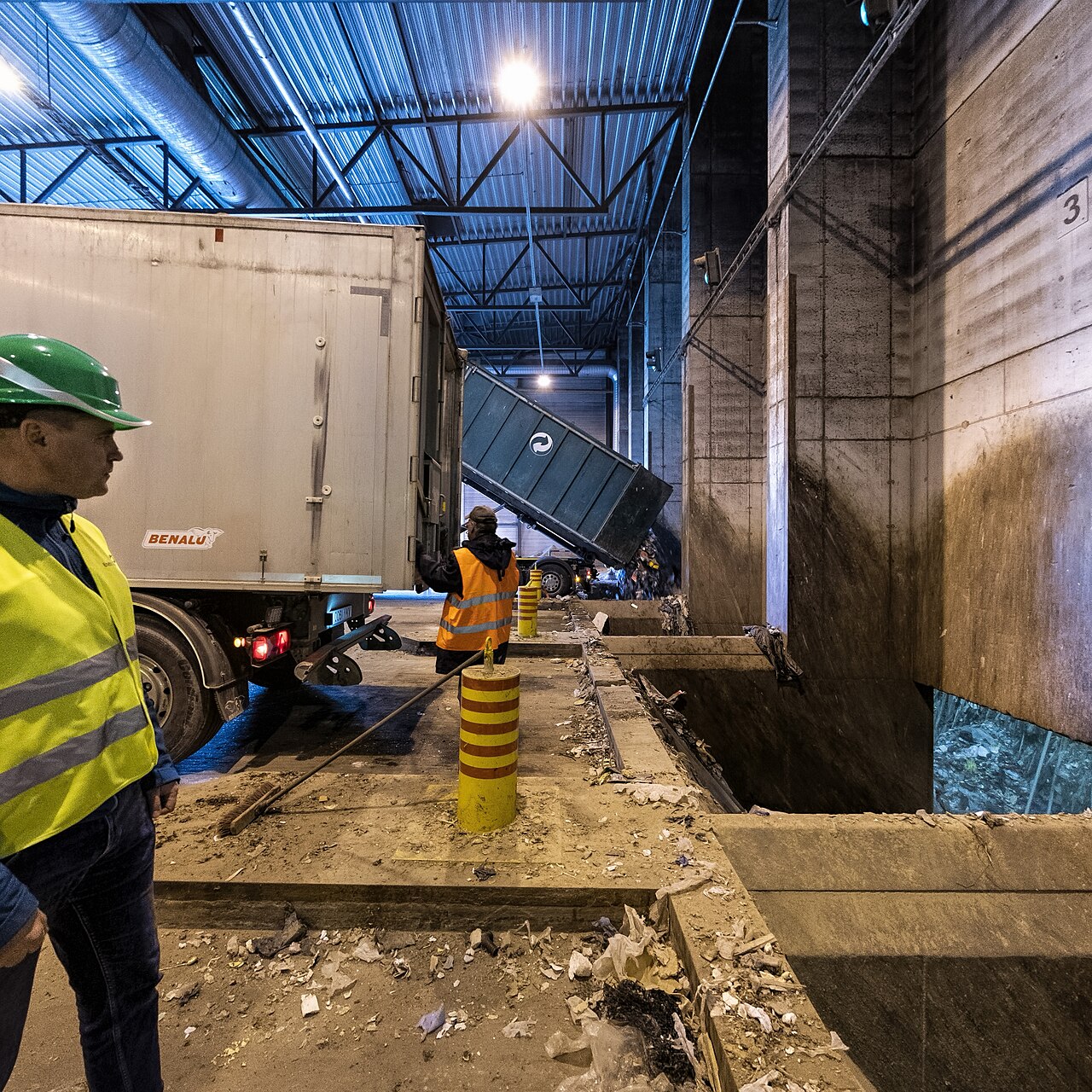
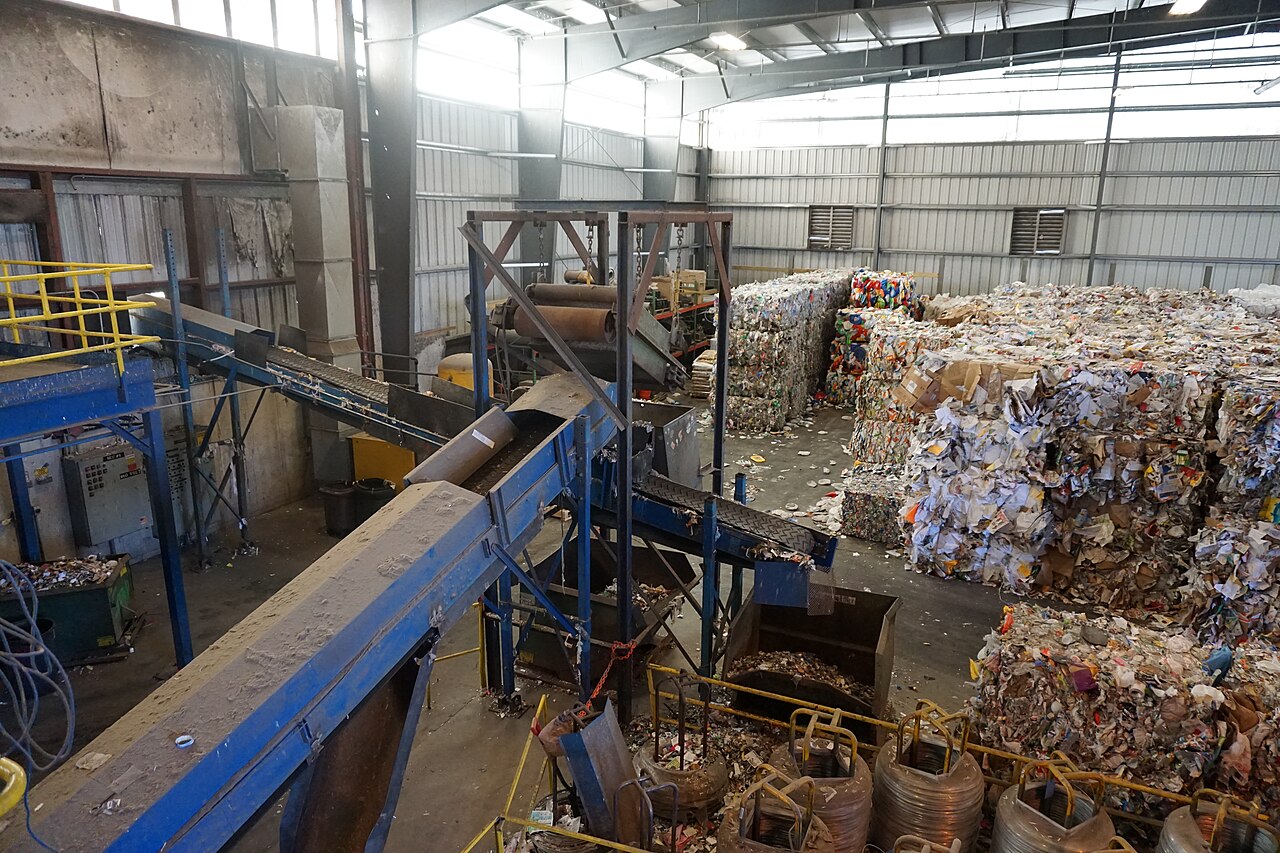
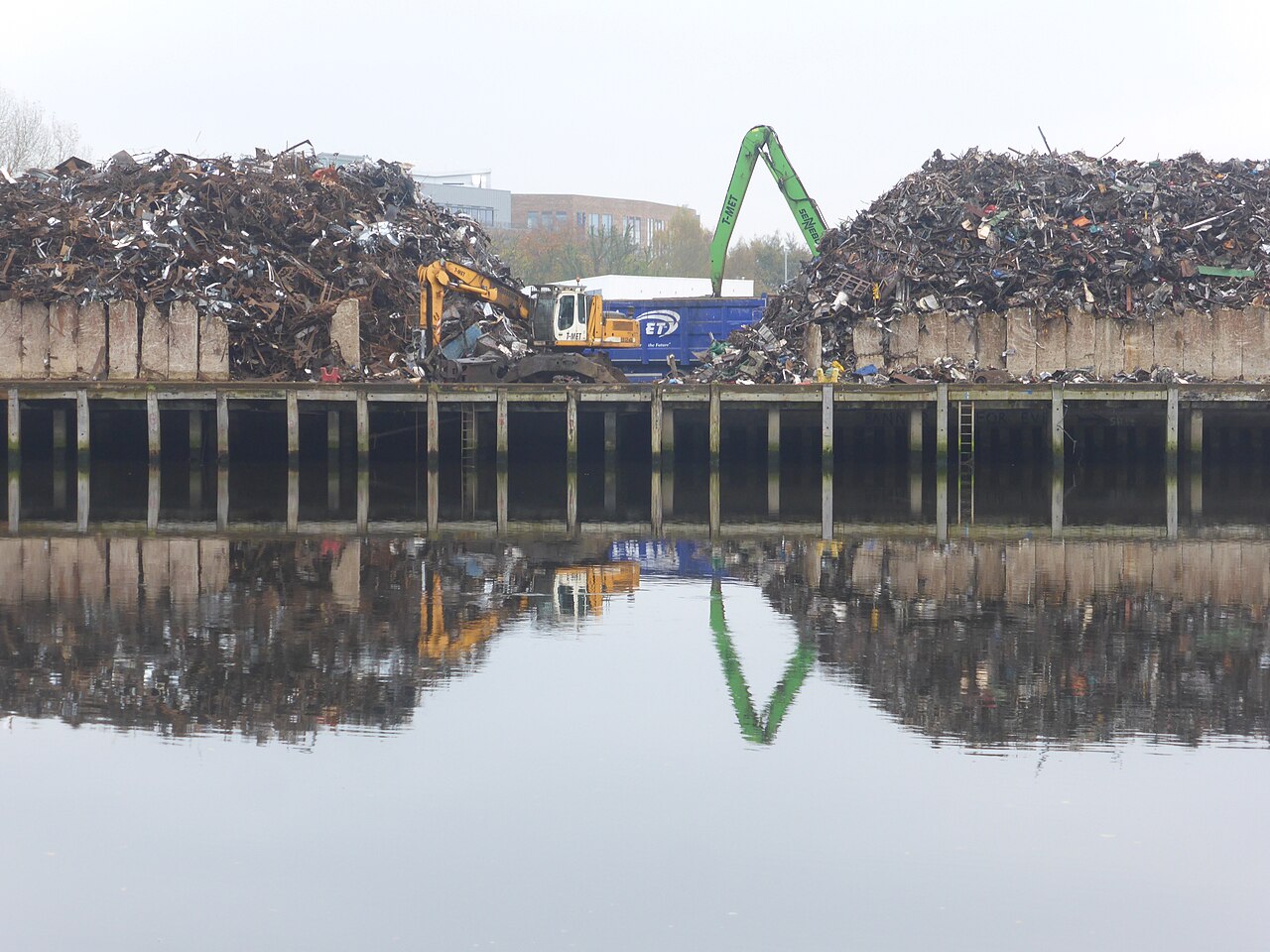
Reuse first, recycling second, energy recovery third, landfill last. That order, every load.
Ready for it to be gone?
Check your postcode, pick your route day, done in two minutes.