Guides · 17 August 2026 · 6 min read
Skip hire vs a collection: the real cost comparison

"Just get a skip" is the reflex answer to almost any clear-out, and sometimes it is right. But the headline hire price is rarely the whole cost, and for the job most people actually have, a room, a garage, a flat, it is often not the cheaper option once everything is counted.
The honest comparison comes down to three things: how much you are clearing, whether it needs to sit on the road or fits on a driveway, and whether you are able and willing to lift it over the side yourself. Here is the full sum on both sides.
What a skip actually costs
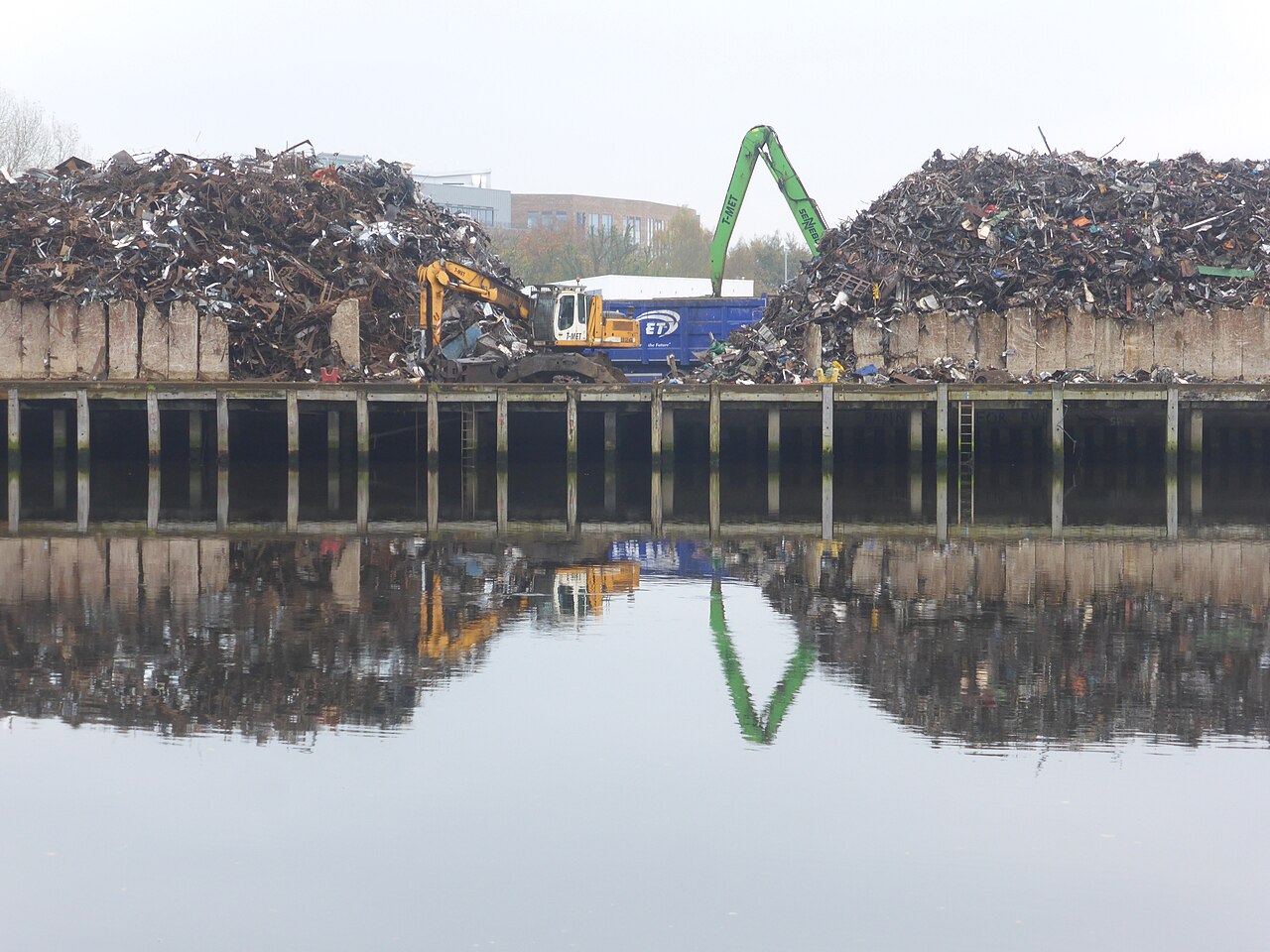
A mini 2 to 3 yard skip runs from roughly £125 a week. A midi 4 to 5 yard is around £225. A builder's 6 to 8 yard, the size most house clearances actually need, is commonly £280 to £480 a week, with London and the South East sitting above that range. That price usually covers delivery, collection and disposal of what is inside.
If the skip cannot sit entirely on a driveway or private land, it needs a council placement permit, typically £30 to £100 for one to two weeks on top of the hire fee. Permits are not instant either, most councils need a few working days to process one, so a skip is rarely a same-day fix even when you book it today.
The costs a skip quote does not show
You do the lifting. Every item goes over the side by hand, yours, and a wardrobe or a sofa going over a skip wall is exactly the kind of awkward two-person lift that causes back injuries. Nobody carries it out of the house for you.
Most skip firms will not take fridges, mattresses or paint and chemicals in a general skip, because those are separately regulated waste streams, WEEE for anything with a plug, specialist recyclers for mattresses, hazardous waste rules for liquids. It is standard small print, and the fix is usually a separate booking and a separate cost for exactly the items people most want gone.
Skips are level-fill only, the lorry legally cannot take away anything piled above the rim. A skip that looked big enough on paper regularly leaves a pile behind regardless, and that pile is now your problem on collection day.
Sizing one correctly is harder than it looks from a website chart. Furniture does not compact the way builders' rubble does, a single wardrobe and a sofa can eat a quarter of a midi skip before anything else goes in, and upgrading mid-hire usually means paying for a second skip rather than a top-up.
What a collection actually costs
Our load pricing is £229 for a quarter load, about an estate car's worth, £289 for a half load, a bedroom or a shed, and £389 for a full Luton van, roughly a one bed flat. Every price includes the crew, the carrying, transport, disposal fees and VAT. The only add-ons that exist: £49 per fridge or freezer for the licensed degassing, and £20 a flight for stairs where there is no lift.
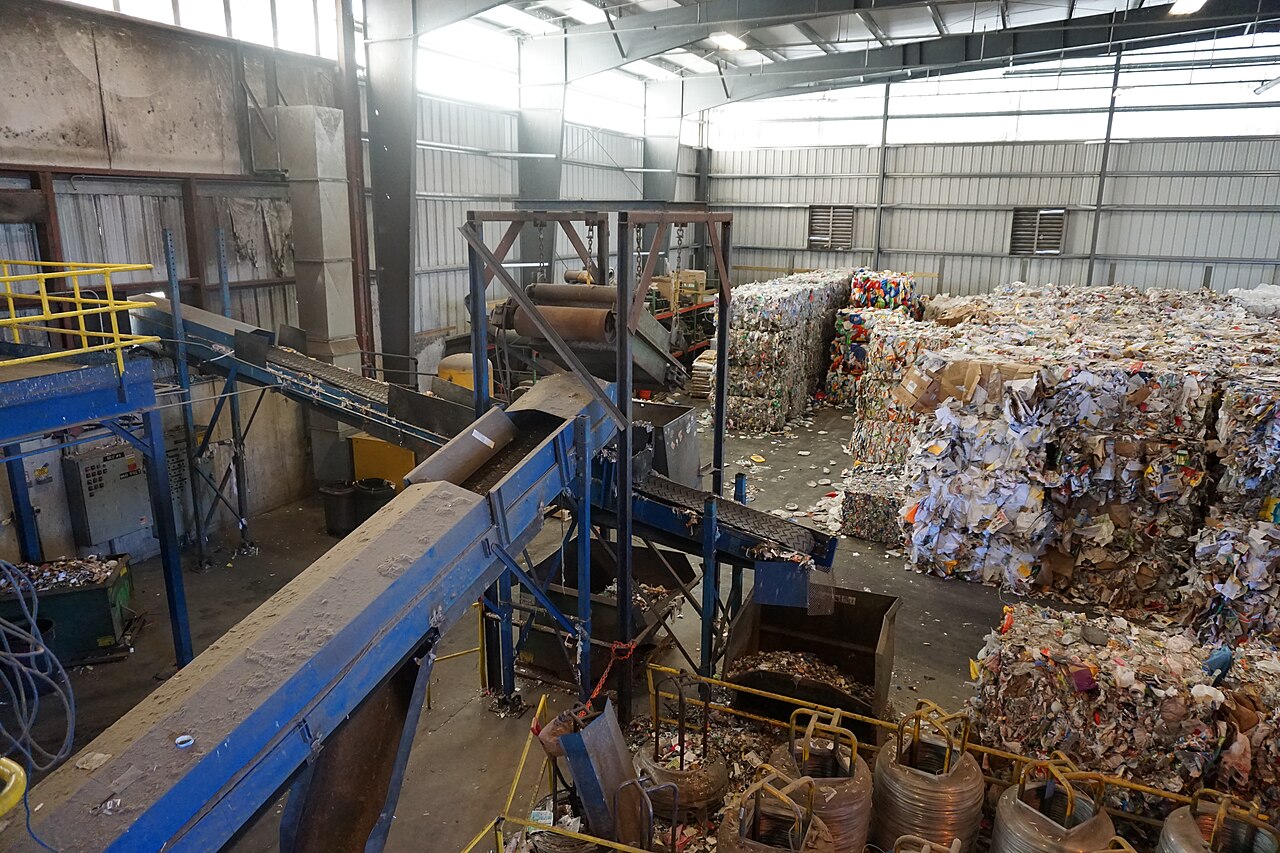
The crew carries everything out from wherever it sits, on your postcode's fixed route day, usually within the week. There is no permit, no waiting for council approval, and nothing sits on your street for a fortnight. The load is sorted at our depot into reuse, metals, timber, WEEE and energy recovery streams rather than gate-fee'd into one hole.
A worked example: clearing a spare room
Old wardrobe, single bed and mattress, a few boxes, an armchair. A midi skip to hold it is around £225, plus a permit if it cannot fit on your drive, say £50, and the mattress will likely need a separate collection anyway since most skip firms exclude them, add another £59 to £89 depending who you call. That is £275 to £350 before you have lifted a single item yourself.
The same room as a WasteSpeed half load is £289, everything carried out by the crew, mattress included, done in one visit on your route day. That lands in the same money as the skip route, except the crew does every bit of the lifting, nothing sits outside for a week, and the load is sorted for reuse and recycling instead of tipped as one lump.
When a skip genuinely wins
Ongoing building or renovation work is the clear case, rubble, tiles, plasterboard and offcuts generated over several days or weeks, where you need a container standing on site the whole time rather than one visit at the end. We take soil and rubble in manageable amounts, more than that is a specialist load and a skip is the right tool.
A skip also wins if you genuinely want to fill it at your own pace over a week or two rather than have everything ready for a single collection. That flexibility is real, it is just not free, and it is worth pricing against the alternative before you assume it is the cheaper choice.
The honest bottom line
For a multi-day building job producing heavy inert waste, hire the skip. For clearing a room, a garage, a flat or a house in one go, especially with a fridge, a mattress or a sofa in the mix, price both properly first. Once the permit and the items most skips refuse are added in, a collection is very often the cheaper option, and it leaves the same day instead of sitting on the kerb for a fortnight.
The quickest sanity check before you book either one: add up the permit, the likely hire period, and any items your skip firm will not take, then compare that total against a single load price. It takes five minutes and it is the only way to know which is actually cheaper for your job rather than assumed to be.
Reuse first, recycling second, energy recovery third, landfill last. That order, every load.

Ready for it to be gone?
Check your postcode, pick your route day, done in two minutes.